

Resource type: Case reports
Publication
Jessica Martinez; Franck Chiappini; Denis Barritault (2019). Case Reports for Topical Treatment of Corneal Ulcers with a New Matrix Therapy Agent or RGTA® in Dogs. Veterinary Sciences, 6(4), article 103. DOI: 10.3390/vetsci6040103
Published online: 13 December 2019.
Reading note: These are case reports involving 11 dogs, not a randomized comparison of treatments. The authors' treatment conclusion remains attributed to this report.
Author abstract
The following is the authors’ abstract, not a site-written summary. Wording is retained; paragraph structure and inline typography are formatted for this page.
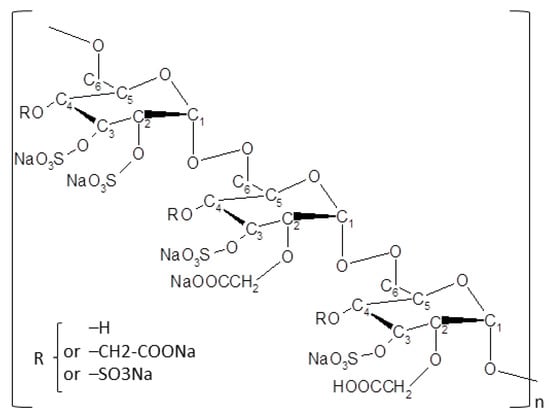
Superficial corneal ulcers that fail to heal within a normal time period and are refractory to conventional therapy in dogs are common in veterinary practice. Different etiologies can lead to this result, including spontaneous chronic corneal epithelial defects (SCCEDs) and ulcerative keratitis associated with bullous keratopathy. Thus, there is an urgent need to find new therapeutic approaches such as matrix therapy replacement. To determine the efficacy of a new ophthalmic treatment (Clerapliq®) for SCCEDs and ulcerative keratitis associated with bullous keratopathy, a total of 11 dogs referred to the clinic because of nonhealing erosive ulcers after a classic primary treatment were enrolled to get this new treatment. Dogs underwent ophthalmic exams and 7 dogs (10 eyes) were diagnosed with superficial ulceration and 4 dogs (5 eyes) with bullous keratopathy due to endothelial dystrophy/degeneration. They received eye drops of Clerapliq® every 3 days until recovery. The results showed that the corneas with recurrences of the ulcers were resolved predominantly by using Clerapliq® every 3 days in 83.3% of the cases during a period of treatment ranging between 6 to 35 days. Therefore, this new approach using matrix therapy regenerating technology in treating superficial ulcers and bullous keratopathy in dogs can be successfully considered as an adjunctive therapy.
Source and attribution
© 2019 by the authors. Reused under Creative Commons Attribution 4.0 (CC BY 4.0). The researchers named above are the publication authors; this site provides the resource presentation.
Read the original publication · Read the repository copy (Europe PMC)
Presentation changes: bibliographic and resource-type labels added; import formatting cleaned. Author-abstract wording is preserved. Existing images, source URLs and attachments are retained; separately credited material remains subject to its own terms.
Existing publication image