
Dog Training World › Forums › General Dog Training Discussion › Miscellaneous › Man Meets Dog” by K. Lorenz › Reply To: Man Meets Dog” by K. Lorenz
-
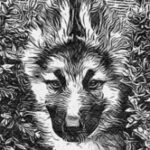
80 years ago they also have problem with “show” breeding only.
Reader, animal expert, for whom I am writing this book!
Believe me: the joy you feel when your dog nearly matches the ideal of its breed will dull over the years you spend together. What will remain, however, is the irritation caused by psychological flaws such as nervousness, withdrawal, and excessive fearfulness. Over time, we don’t become desensitized to these faults — quite the opposite, we become even more sensitive to such irritating shortcomings.
An intelligent, loyal, calm, and confident dog will bring far more lasting joy than a champion that cost many thousands of shillings!
As mentioned earlier, a compromise between breeding for mental qualities and breeding for physical traits is, in principle, possible. For as long as fashion doesn’t interfere, various purebred dog breeds will not lose their character traits.
However, the danger lies already in the very organization of dog shows and judging committees: the competition of purebred animals in shows must — so to speak — inevitably lead to an overemphasis on the typical traits of a given breed.
When we look at historical paintings — especially those depicting English dog breeds dating back to the early Middle Ages — and compare those dogs with today’s representatives of the same breeds, we get the impression that they are malicious caricatures of the original form of that canine type.
This is particularly evident in the chow chow, which only in recent decades has become fashionable.<br data-start=”1551″ data-end=”1554″>Even in the 1920s, they were still clearly close to their original form: a sharp muzzle, slanted Mongolian eyes, and pointed, upright ears gave them that striking, charming expression common to all breeds with wolf blood, like Greenland sled dogs, Samoyeds, huskies, or Scottish terriers.
Today, the chow chow is bred to exaggerate the features that give it its characteristic “teddy bear” look: the muzzle has become broad and short, almost like that of a mastiff, the eyes have lost their slanted shape due to the compressed face, and the ears disappear into an overabundance of fur.
Spiritually, too, a predator full of temperament, still carrying the breath of the wild, has been turned into a sugary stuffed animal — except for the dogs from my own breeding! But these must be scorned by all kennel clubs, for they still retain, to this day, a few 128ths of shepherd blood.”